
Natural Well-being Strategies

Explore comprehensive insights into lifestyle, nutrition, and holistic approaches for maintaining vitality and balance

Understanding Holistic Well-being

Holistic well-being represents a multifaceted approach to health that encompasses physical, mental, and emotional dimensions. This interconnected framework recognizes that true vitality emerges from the balance and harmony between these three essential aspects of human experience.

Physical well-being relates to bodily functions, energy levels, and the maintenance of optimal health through movement and nutrition. Mental well-being encompasses cognitive clarity, focus, and emotional stability. Emotional well-being reflects our capacity for joy, resilience, and meaningful connection with others and ourselves.

Understanding these interconnections allows individuals to develop comprehensive approaches to self-care that address the whole person, rather than isolated symptoms or concerns.

The Role of Balanced Nutrition

Balanced nutrition forms the foundation of sustained vitality and energy throughout daily life. The fundamental principle involves consuming a diverse array of whole foods—vegetables, fruits, whole grains, legumes, and quality proteins—each providing distinct nutrients essential for bodily functions.

Core Nutritional Principles

Different food groups serve specific roles: vegetables and fruits provide vitamins, minerals, and fiber; whole grains offer sustained energy through complex carbohydrates; proteins support muscle maintenance and enzymatic processes; healthy fats contribute to cognitive function and nutrient absorption.

Mindful consumption means paying attention to portion sizes, eating patterns, and the body's signals of hunger and satiation. This approach emphasizes variety, moderation, and the integration of whole foods into daily routines rather than restrictive eating patterns.

Fresh vegetables and fruits representing balanced nutrition

Vegetables & Fruits

Rich in vitamins, minerals, and phytonutrients, these foods provide essential micronutrients and fiber for digestive health and overall vitality.

Whole Grains

Complex carbohydrates in whole grains provide sustained energy, fiber, and various B vitamins essential for metabolic processes and mental clarity.

Proteins & Legumes

These nutrient-dense foods support muscle maintenance, enzyme production, and the synthesis of neurotransmitters necessary for mood and cognitive function.

Integrating Physical Activity Into Daily Life

Movement is fundamental to human vitality and well-being. Physical activity encompasses diverse forms suitable for all ages and fitness levels—from gentle walking in natural settings to yoga, dancing, swimming, or cycling. Each form contributes to overall health in distinct ways.

Benefits of Regular Movement

Consistent physical activity enhances energy levels, improves mood through endorphin release, supports cardiovascular function, and contributes to musculoskeletal health. Beyond physical benefits, movement serves as a powerful tool for mental clarity and emotional regulation.

The key principle involves finding enjoyable forms of activity that can be sustained consistently, rather than pursuing intense regimens that may not align with individual preferences or life circumstances. Integration of movement into daily routines—such as walking, gardening, or recreational activities—proves more sustainable than rigid exercise schedules.

Person walking in nature practicing physical activity

Mindfulness and Mental Clarity

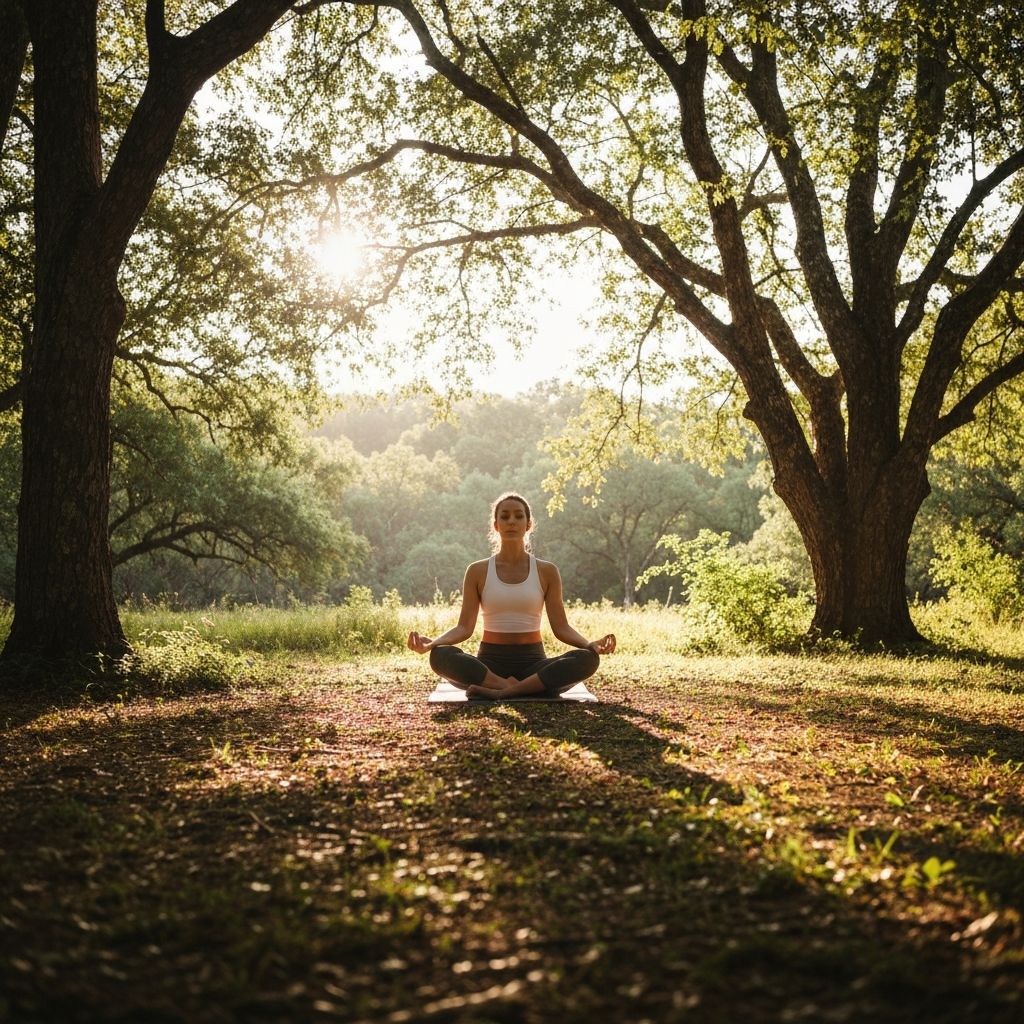
Mindfulness practices represent a spectrum of techniques designed to cultivate present-moment awareness and mental stillness. Meditation, deep breathing exercises, and conscious awareness practices have been utilized across cultures for centuries to foster mental peace and emotional balance.

Foundational Mindfulness Techniques

Meditation involves focused attention on breath, bodily sensations, or a chosen point of concentration, allowing the mind to settle and anxiety to diminish. Deep breathing activates the parasympathetic nervous system, promoting relaxation and stress reduction. Conscious awareness practices involve observing thoughts and emotions without judgment, fostering emotional resilience.

These practices contribute to improved focus, reduced mental chatter, enhanced emotional regulation, and a greater sense of inner peace. Integration of even brief mindfulness moments throughout the day—such as conscious breathing during transitions—can meaningfully impact overall well-being.

Person practicing meditation and mindfulness

Natural Ingredients: An Overview

Throughout human history, natural ingredients—herbs, spices, and plant extracts—have been incorporated into daily practices and traditional wellness routines. These botanical elements possess diverse properties that have been valued across cultures.

Herbal Traditions

Herbs such as chamomile, ginger, and turmeric have been traditionally used in various cultures for their aromatic properties and roles in culinary and wellness practices.

Spices & Flavor

Spices not only enhance culinary experiences but also contain compounds of interest to those exploring natural wellness approaches, contributing flavor and nutritional variety to meals.

Plant Extracts

Various plant-derived substances have been studied for their properties and traditional roles in supporting general wellness, providing informational value in the context of natural approaches.

Lifestyle Habits for Sustained Vitality

Long-term well-being emerges from consistent, moderate lifestyle practices integrated into daily routines. Rather than dramatic changes or short-term interventions, sustainable vitality develops through the accumulation of beneficial habits practiced over time.

Key Principles for Consistency

Moderation—avoiding extremes while maintaining steady practices—proves more sustainable than intense fluctuations. Consistency in sleep patterns, meal timing, movement, and stress management contributes cumulatively to energy and health. Individual adaptation allows for personalization: what works for one person may require adjustment for another based on genetics, lifestyle, and circumstances.

This approach emphasizes self-awareness, gradual integration of beneficial practices, and flexibility rather than rigid adherence to external prescriptions. Building sustainable habits allows individuals to maintain vitality over decades rather than pursuing unsustainable intensive practices.

Person enjoying a balanced meal

Exploring Diverse Nutritional Approaches

Throughout the world, various nutritional philosophies have developed based on regional agriculture, cultural traditions, and scientific observation. Examining these diverse approaches provides context for understanding different perspectives on eating patterns and nutrition.

Informational Perspectives

Plant-based approaches emphasize vegetables, fruits, grains, and legumes. The Mediterranean pattern incorporates olive oil, fish, whole grains, and abundant vegetables. Mindful eating focuses on conscious awareness during meals and listening to body signals. Each approach offers insights into balanced nutrition while acknowledging that individual needs vary based on health status, activity level, and personal circumstances.

Understanding these frameworks allows individuals to explore which principles resonate with their values and lifestyle, recognizing that no single approach is universally optimal for all people.

Mediterranean diet foods and diverse nutritional approaches

The Benefits of Hydration

Water represents a fundamental nutrient essential for virtually every physiological process. Adequate hydration supports cognitive function, energy production, nutrient transport, temperature regulation, and the elimination of metabolic waste.

Individual hydration needs vary based on activity level, climate, and personal factors. General guidance suggests responsive hydration—drinking in response to thirst signals and adjusting intake based on activity and environment. Proper hydration contributes meaningfully to energy levels, mental clarity, and overall bodily function throughout the day.

Beyond plain water, hydration can be supported through various beverages and water-rich foods such as fruits and vegetables, allowing flexibility in how individuals meet their hydration needs.

Sleep Hygiene for Optimal Health

Quality sleep represents a cornerstone of vitality, mental clarity, and physical health. During sleep, the body undergoes crucial restorative processes including tissue repair, memory consolidation, and hormonal regulation essential for sustained well-being.

Creating Supportive Sleep Environments

Sleep quality benefits from consistent sleep schedules, comfortable sleep environments with appropriate temperature and darkness, and routines that signal the body's transition to rest. Minimizing stimulating activities before bedtime, managing light exposure, and maintaining consistent sleep-wake patterns support natural circadian rhythms.

Individual sleep needs vary; while general guidance suggests seven to nine hours for adults, some individuals thrive with different amounts. Attention to sleep quality—feeling rested and alert during the day—provides more relevant information than adherence to specific hour recommendations.

Peaceful sleep environment for quality rest

Summary of Wellness Principles

The journey toward sustained natural well-being integrates multiple dimensions of human experience into a coherent, balanced approach. True vitality emerges not from isolated interventions but from the harmonious integration of nourishing nutrition, consistent movement, mental clarity practices, quality sleep, and sustainable lifestyle habits.

This comprehensive perspective recognizes that individual circumstances, preferences, and requirements vary significantly. The principles outlined throughout this guide serve as a framework for exploration and personalization rather than rigid prescriptions.

Natural well-being represents an ongoing practice of self-awareness, gradual refinement of lifestyle patterns, and commitment to balanced, moderate approaches sustained over time. By integrating these diverse elements thoughtfully into daily life, individuals can cultivate lasting vitality, energy, and sense of harmony.

Educational Content Only. No promises of outcomes. This information is provided for educational and informational purposes only. It does not constitute medical advice, diagnosis, treatment recommendations, or any form of healthcare guidance. Individual circumstances vary significantly, and what works for one person may not be appropriate for another. Always consult with qualified healthcare professionals regarding personal health decisions.